My journey into the world of cannabis wasn’t born out of recreational curiosity, but rather a burgeoning fascination with its intricate chemistry. As a science writer, I’ve always been drawn to subjects that defy simple explanation, and cannabis, with its myriad compounds and complex interactions, certainly fits that bill. It’s like a finely tuned orchestra, each instrument, each note, contributing to a symphony of effects. Over the years, I’ve watched with immense interest as science began to peel back the layers of this enigmatic plant, revealing secrets that are not only reshaping our understanding of it but also revolutionizing industries and offering new avenues for health and wellness.
From the moment I first delved into the scientific literature on cannabis, I was struck by the sheer complexity. It’s not just a plant; it’s a biochemical marvel. For decades, it was largely relegated to the shadows of illicit drug culture, its potential stifled by prohibition and misinformation. But with a growing shift in societal attitudes and, crucially, legal frameworks, scientists are now able to explore its depths with unprecedented freedom. This shift has been nothing short of transformative, moving us from anecdotal evidence to rigorous, evidence-based understanding. The future of marijuana, I believe, is intrinsically linked to the relentless pursuit of scientific knowledge. It’s about unlocking its full therapeutic potential, optimizing its growth, and ensuring its safe and responsible use.
The Chemical Components of Cannabis: Understanding THC and CBD
When I first started researching, the conversation around cannabis was almost exclusively dominated by one acronym: THTetrahydrocannabinol, as I learned, is the primary psychoactive compound responsible for the “high” associated with marijuana. Its interaction with our endocannabinoid system, a complex network of receptors throughout our body, is what produces those well-known euphoric effects. However, as my understanding deepened, I quickly realized that THC is just one player in a much larger cast.
Then came CBD, or Cannabidiol. This compound, while non-psychoactive, has captured the attention of researchers and the public alike due to its vast therapeutic potential. I recall one particular study, published in a leading medical journal, detailing CBD’s efficacy in reducing seizures in children with severe epilepsy. This was a pivotal moment, I felt, a tangible demonstration of how specific cannabis compounds could offer profound medical benefits without the intoxicating effects. My research revealed that the interplay between THC and CBD is crucial; they don’t operate in isolation. In fact, many scientists believe that CBD can actually modulate the psychoactive effects of THC, creating a more balanced and potentially less anxiety-inducing experience, a concept often referred to as the “entourage effect.”
The Role of Terpenes in Cannabis: A Closer Look at Aroma and Flavor
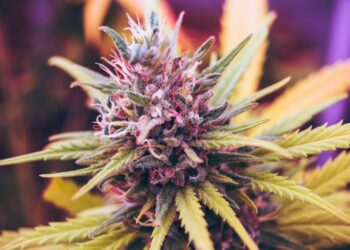
As I continued my exploration, I stumbled upon a fascinating class of compounds that, initially, I hadn’t given much thought to: terpenes. These aromatic molecules are responsible for the distinctive scents and flavors of not just cannabis, but countless plants across the natural world. Think of the refreshing aroma of a lemon, the earthy scent of pine, or the calming fragrance of lavender – these are all thanks to terpenes.
What truly captivated me, however, was the growing body of evidence suggesting that terpenes do much more than simply provide an olfactory experience. They actively contribute to the overall therapeutic effects of cannabis, further enhancing that “entourage effect” I mentioned earlier. For instance, I learned about myrcene, a terpene found in mangoes and responsible for a musky, earthy aroma. It’s thought to have sedative properties and potentially enhance the absorption of cannabinoids. Then there’s limonene, with its bright, citrusy scent, which research suggests may have uplifting and anti-anxiety effects. Pinene, smelling distinctly of pine, is being investigated for its potential anti-inflammatory and bronchodilator properties. It’s a testament to the plant’s complexity that such subtle nuances in aroma could translate into significant physiological impacts, a realization that truly deepened my appreciation for the botanical world.
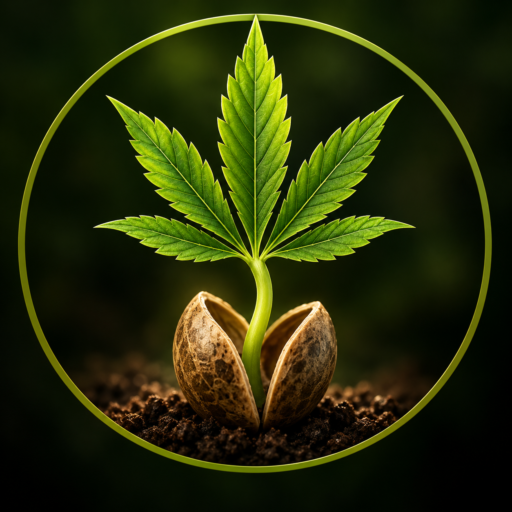
My investigations didn’t stop at the molecular level; I also ventured into the fascinating realm of cannabis cultivation. I’ve always been a firm believer that understanding the origins of any plant, especially one with such profound effects, is crucial to understanding the plant itself. The journey from a tiny seed to a mature, cannabinoid-rich plant is a testament to the delicate balance of environmental factors and human intervention.
Optimizing Growth Conditions for Potency and Purity
I’ve spoken with numerous cultivators, and a recurring theme in our conversations has been the meticulous attention to detail required to produce high-quality cannabis. It’s a far cry from simply tossing a seed in the ground and hoping for the best. Everything from the pH balance of the soil (or hydroponic solution) to the intensity and spectrum of light, to the precise levels of humidity and temperature, plays a critical role. I learned about how specific nutrient regimens can influence the plant’s ability to produce cannabinoids and terpenes, and how even subtle changes in environmental conditions can drastically alter the final chemical profile of a given strain. It’s a constant balancing act, a careful dance between nurturing the plant and pushing it to its genetic potential.

Genetic Engineering and Strain Development
My research also illuminated the cutting-edge work being done in cannabis genetics. Gone are the days of simply relying on chance cross-pollination. Today, breeders and scientists are employing sophisticated techniques, including marker-assisted selection and even genetic editing, to develop new strains with specific characteristics. This isn’t just about creating more potent strains; it’s about tailoring plants to produce higher levels of specific cannabinoids like CBD or CBG, or to develop unique terpene profiles that offer targeted therapeutic benefits. I envision a future where patients can be prescribed cannabis strains with a precise chemical fingerprint, customized to address their individual medical needs, thanks to the advancements in genetic science.
My greatest interest lies in understanding how cannabis interacts with the human body, particularly the brain. It’s a complex interplay, one that has been historically shrouded in conjecture and fear, but is now being meticulously explored by neuroscientists and medical researchers.
The Endocannabinoid System: A Key Regulator
The discovery of the endocannabinoid system (ECS) in the late 20th century was, in my opinion, one of the most significant breakthroughs in cannabis research. I remember reading about how this intricate network of receptors, endocannabinoids (naturally produced cannabis-like compounds), and enzymes plays a crucial role in regulating a vast array of physiological processes. This includes mood, memory, appetite, pain sensation, and immune function. It suddenly became clear to me why cannabis, with its phytocannabinoids, could exert such diverse effects on the body – it was essentially mimicking and modulating our own internal regulatory system. Understanding the ECS has been paramount to moving beyond a simplistic view of cannabis as just a recreational drug and embracing its profound therapeutic potential.
Neurobiological Impacts and Cognitive Effects
Of course, the psychoactive effects of THC on the brain are undeniable. My research has explored how THC interacts with cannabinoid receptors, particularly CB1 receptors, which are densely concentrated in areas of the brain associated with memory, pleasure, and coordination. This explains the euphoria, altered perception of time, and sometimes impaired motor skills experienced by users. However, I’ve also learned about the nuanced effects, particularly concerning the potential for both short-term and long-term cognitive impacts. While acute intoxication can certainly affect memory and attention, the long-term effects, especially with responsible adult use, are still being rigorously studied. The focus now is on understanding individual variations in response, the role of genetics, and the influence of factors like age of first use and frequency.
The medical applications of cannabis are perhaps the most compelling aspect of my research. For too long, the plant’s healing properties were overlooked, but now, a deluge of scientific studies is validating ancient wisdom and anecdotal accounts.
Addressing Chronic Pain and Inflammation
One of the areas where cannabis has shown immense promise is in the management of chronic pain. I’ve followed numerous clinical trials demonstrating the efficacy of cannabinoids, particularly THC and CBD, in reducing various types of neuropathic and inflammatory pain. The ability of these compounds to interact with the ECS to modulate pain signals offers a potential alternative to traditional opioids, which carry significant risks of addiction and side effects. I envision a future where cannabis-based medicines are a frontline treatment for millions suffering from debilitating pain.
Beyond Pain: Epilepsy, Multiple Sclerosis, and Mental Health
But the therapeutic scope extends far beyond pain relief. I’ve been particularly moved by the stories of children whose severe seizure disorders have been dramatically alleviated by CBD-rich cannabis. Similarly, research is showing promise in managing symptoms of multiple sclerosis, such as spasticity and muscle pain. Even in the realm of mental health, I’ve observed a growing interest in cannabinoids for treating anxiety, PTSD, and even depression, though this area requires more rigorous research to fully understand the optimal dosages and potential risks. The journey of cannabis from perceived menace to scientifically validated medicine is, for me, one of the most inspiring scientific narratives of our time.
As I look ahead, I see a future for cannabis that is fundamentally shaped by scientific innovation. We are no longer operating in the dark; every day brings new discoveries that propel the industry forward in exciting and responsible ways.
Precise Dosing and Delivery Systems
One area of rapid advancement is in precise dosing and innovative delivery methods. The days of simply smoking crude plant material are gradually giving way to a new era of scientifically formulated products. I’ve seen fascinating developments in areas like transdermal patches for controlled release, metered-dose inhalers for rapid onset and accurate dosing, and even nanotechnology-enhanced edibles for improved bioavailability. This precision will not only enhance the therapeutic efficacy of cannabis but also improve patient safety and experience, allowing for predictable and consistent effects.
Sustainable Cultivation and Environmental Responsibility
Finally, my perspective on the future of cannabis wouldn’t be complete without acknowledging the critical role of sustainability. As the industry expands, the environmental impact of cultivation, particularly large-scale indoor operations, is a growing concern. I’ve been heartened to see scientific research focusing on developing more energy-efficient cultivation techniques, optimizing water usage, and exploring sustainable pest control methods. The integration of renewable energy sources, vertical farming technologies, and responsible waste management practices are becoming paramount. Ultimately, I believe that the future of cannabis, guided by scientific principles, will be one that not only benefits human health but also respects and protects our planet. The journey to fully understanding and harnessing this remarkable plant is ongoing, and I, for one, am excited to witness the incredible discoveries yet to come.
FAQs
What are the main chemical components of cannabis?
The main chemical components of cannabis are THC (tetrahydrocannabinol) and CBD (cannabidiol), which are cannabinoids that interact with the body’s endocannabinoid system.
What role do terpenes play in cannabis?
Terpenes are aromatic compounds found in cannabis that contribute to its aroma and flavor. They also have potential therapeutic effects and can interact with cannabinoids to produce different effects.
How is cannabis cultivated and what is the science behind it?
Cannabis cultivation involves various scientific processes such as selecting the right soil, nutrients, and strain genetics to optimize growth and yield. Factors like light, temperature, and humidity also play a crucial role in cultivation.
What are the effects of cannabis on the brain and body?
Cannabis can affect the brain and body in various ways, including altering mood, perception, and cognition. It can also have therapeutic effects such as pain relief and anti-inflammatory properties.
What are the potential medical applications of cannabis?
Cannabis has shown potential for treating conditions such as chronic pain, epilepsy, anxiety, and nausea. Research is ongoing to explore its potential in areas such as cancer treatment and neurodegenerative diseases.