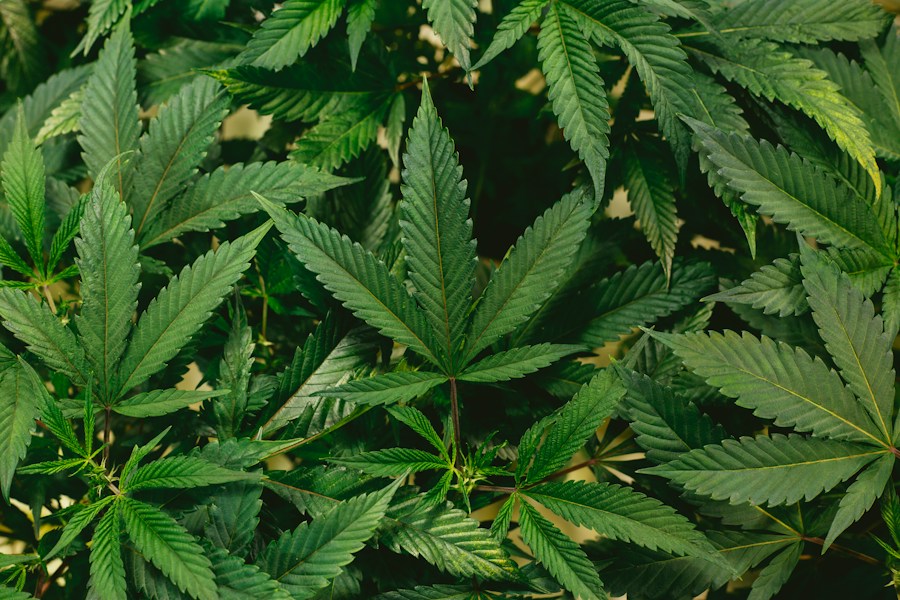
The aroma still lingers, a faint, sweet earthiness that, after all these years, still evokes a sense of accomplishment. I remember my first attempt at growing cannabis. It was a clandestine affair, conducted in a dimly lit closet with a single, inadequate incandescent bulb. The results, to put it mildly, were… sad. Small, wispy buds that barely held their shape, a far cry from the dense, trichome-laden treasures I’d dreamt of. But even in that initial failure, a spark was ignited. I was hooked, not just by the promise of a good harvest, but by the sheer complexity of coaxing life from a seed into something truly remarkable. It wasn’t long before I realized that haphazard guesswork wouldn’t cut it. To achieve anything resembling high-quality cannabis, I needed to understand the science behind it all.
My journey into the science of cannabis cultivation was born out of sheer necessity. Those early closet grow days taught me that nature, while powerful, thrives on optimal conditions. Cannabis, like any other plant, is a complex biological organism with specific needs. Understanding these fundamental needs is the bedrock of successful cultivation. It’s about more than just sticking a seed in soil and hoping for the best. It’s about appreciating the intricate dance of photosynthesis, respiration, and nutrient uptake that occurs within each plant.
Photosynthesis: The Plant’s Powerhouse
The process of photosynthesis is absolutely fundamental to cannabis growth. It’s how the plant converts light energy, water, and carbon dioxide into sugars – its primary food source. I used to think of light as just a way to see the plant, but I quickly learned its crucial role in its very existence. The chlorophyll within the leaves acts as a tiny solar panel, capturing photons. This energy then fuels the conversion of CO2 from the air and water absorbed by the roots into glucose. This glucose then fuels every aspect of the plant’s development, from the smallest root hair to the largest flower. Without efficient photosynthesis, the plant simply cannot produce the energy it needs to thrive and produce those coveted cannabinoids and terpenes.
Respiration: The Plant’s Energy Release
While photosynthesis is about building, respiration is about breaking down those stored sugars to release energy for other vital processes. It happens day and night, though it’s most noticeable in the dark when photosynthesis ceases. This is why proper air circulation is so critical. If CO2 levels become depleted during the day (from too much photosynthesis with insufficient air exchange) or if oxygen levels drop at night (because the plant is constantly respiring), growth can be stunted. I remember one instance where I had a grow tent that was a little too sealed up, and the plants, while looking green, just weren’t developing as vigorously as they should have been. Once I improved the ventilation, the difference was remarkable.
Transpiration: The Plant’s Cooling System and Nutrient Transport
Transpiration is the process of water moving through the plant and evaporating from its leaves, primarily through tiny pores called stomata. This might sound like a waste of water, but it’s far from it. Transpiration creates a vacuum that pulls water and dissolved nutrients up from the roots through the plant’s vascular system. It’s also the plant’s primary method of regulating its internal temperature. On a hot day, increased transpiration helps keep the leaves from overheating. Understanding this helped me troubleshoot wilting plants; sometimes it wasn’t a lack of water, but rather poor air movement preventing efficient transpiration.
Once I grasped the basic biological processes, I started to focus on the environment. It’s like creating a perfect little ecosystem for your plants to flourish. This involves a delicate balance of several key factors that, when managed correctly, lead to superior results. It’s a constant dance of monitoring and adjusting, a rewarding challenge that keeps you engaged.
The Importance of Light and Temperature Control in Cannabis Cultivation
Light and temperature are arguably the two most critical environmental factors for cannabis growth. Get these wrong, and everything else becomes exponentially harder. My early experiments with inadequate lighting taught me this lesson in the harshest way. Cannabis plants, particularly during their flowering stage, have specific light spectrum and intensity requirements. Different wavelengths of light trigger different growth responses. Blue light, for instance, is crucial for vegetative growth, promoting bushy, compact plants. Red light, on the other hand, is vital for flowering, encouraging bud development and stretching. I learned to invest in quality grow lights that offer adjustable spectrums.
Temperature is equally important. Cannabis plants generally prefer a moderate temperature range, typically between 70-85°F (21-29°C) during the day and slightly cooler at night. Extreme temperatures, either too hot or too cold, can stress the plant, leading to reduced growth, nutrient lockout, or even death. I recall a summer heatwave that caught me off guard. My grow room’s temperature soared, and I watched in dismay as my plants began to show signs of heat stress – curling leaves and slowed growth. It was a frantic few hours of setting up extra fans and insulation to bring the temperature back down. Consistent temperature control is key.
Humidity Management: A Balancing Act
Humidity, the amount of water vapor in the air, plays a significant role in a plant’s ability to transpire and in its susceptibility to mold and mildew. During the vegetative stage, higher humidity levels (around 50-70%) can be beneficial, encouraging leafy growth. However, as the plant transitions into flowering, it’s crucial to lower humidity levels (to 40-50%) to prevent mold and bud rot, especially in denser buds. I learned this the hard way after losing a significant portion of a prized harvest to bud rot that crept in during the final weeks of flowering due to unchecked humidity. Investing in a reliable humidifier and dehumidifier, along with a hygrometer to monitor levels, is essential.
Air Circulation and CO2: The Breath of Life
As I mentioned earlier, good air circulation is vital for several reasons. It strengthens plant stems by forcing them to grow tougher to withstand the moving air. It also prevents stagnant air pockets, which can harbor pests and diseases. More importantly, it ensures a constant supply of fresh CO2 for photosynthesis and helps to regulate humidity and temperature. For those looking to maximize yields, supplementing with CO2 can dramatically boost photosynthesis and growth rates, but this requires careful control and a well-sealed environment. My own journey hasn’t ventured into CO2 supplementation yet, but I’ve seen the impressive results it can yield in other growers’ setups.
Once the environment is dialed in, the next critical piece of the puzzle is feeding your plants. Nutrient management is where the magic truly happens, transforming a healthy plant into one that produces dense, potent, and flavorful buds. It’s a science of providing the right elements in the right amounts at the right time.
Macronutrients and Micronutrients: The Building Blocks
Cannabis plants require a range of nutrients, broadly categorized into macronutrients and micronutrients. The primary macronutrients are Nitrogen (N), Phosphorus (P), and Potassium (K) – often referred to as NPK. Nitrogen is essential for leafy green growth, Phosphorus for root development and flowering, and Potassium for overall plant health and disease resistance. Beyond these, plants also need secondary macronutrients like Calcium, Magnesium, and Sulfur, and a host of micronutrients like Iron, Manganese, Zinc, and Copper. I learned that neglecting any one of these could lead to deficiencies, showing up as yellowing leaves, stunted growth, or poor bud formation.
Understanding pH and EC/TDS: The Keys to Nutrient Uptake
The pH of your nutrient solution is paramount. It determines how readily your plant can absorb nutrients. If the pH is too high or too low, certain nutrients become unavailable, even if they are present. For cannabis, the ideal pH range is typically 5.5-6.5 in hydroponic systems and 6.0-7.0 in soil. Measuring and adjusting pH is a daily ritual for me now. Similarly, understanding Electrical Conductivity (EC) or Total Dissolved Solids (TDS) helps gauge the concentration of nutrients in your water. Overfeeding can lead to nutrient burn, while underfeeding results in deficiencies. It’s a delicate balance, and using a good quality EC/TDS meter is indispensable. I remember a time when I was blindly following a feeding schedule, and my plants developed tip burn. It wasn’t until I started measuring EC that I realized I was overfeeding them.
Feeding Schedules and Nutrient Lines: Tailoring Your Approach
There are countless nutrient lines on the market, each with its own philosophy and feeding schedule. Some growers prefer organic nutrients, which feed the soil and the microbes within it, indirectly feeding the plant. Others opt for synthetic nutrients, which deliver nutrients directly to the plant. My preference has evolved over time, and I now lean towards a combination, using high-quality organic soil supplemented with carefully managed synthetic nutrients during specific growth stages. The key is to follow a reputable feeding schedule and to adjust it based on your plant’s visual cues and your environmental conditions.
No matter how perfect your environment and nutrient regimen, a single pest or disease outbreak can devastate your crop. Prevention is always better than cure, and this is especially true in cannabis cultivation. A proactive approach to pest and disease management will save you a lot of heartache and lost yield.
Integrated Pest Management (IPM): A Holistic Strategy
Integrated Pest Management (IPM) is a comprehensive approach that emphasizes prevention and uses a combination of methods to control pests and diseases. This means regular inspection of your plants, looking for early signs of trouble. It involves creating a clean growing environment, removing dead leaves and debris promptly, and ensuring good airflow. I’ve seen growers lose entire crops to spider mites, and it’s a terrifying prospect. My own routine involves daily visual checks and even using a magnifying glass to inspect the undersides of leaves.

Natural Predators and Beneficial Insects: Nature’s Defense
One of the cornerstones of IPM is the use of natural predators and beneficial insects. Ladybugs, for instance, are voracious aphid predators. Predatory mites can control spider mite populations. I’ve found that introducing these beneficials early in the grow cycle, before pest populations become an issue, is incredibly effective. It’s a satisfying feeling to know that nature is helping you out.
Organic and Safe Treatments: When Intervention is Necessary
If prevention isn’t enough and a pest or disease outbreak occurs, it’s crucial to use the safest and most effective treatments. For organic growers, this often involves neem oil, insecticidal soaps, or beneficial microbial sprays. Even with synthetic options, understanding what you’re applying and its potential impact on your plant, your health, and the environment is vital. I always err on the side of caution, opting for gentler, targeted treatments first.
While cultivation techniques are crucial, it’s important to remember that you can’t turn a mediocre seed into a world-class cannabis plant. Genetics are the blueprint, and the quality of that blueprint plays a massive role in the final product. I’ve learned that experimenting with different strains is just as important as refining my growing skills.
Strain Selection: The Foundation of Your Harvest
Different cannabis strains have vastly different genetic predispositions. Some are bred for their high THC content, others for their unique terpene profiles, and some for their resilience and ease of growth. Choosing strains that align with your goals – whether it’s a potent indica for relaxation or a vibrant sativa for energy, or a strain known for its exceptional aroma and flavor – is the first step towards a successful harvest. I remember seeking out a specific strain known for its citrusy notes, and with proper cultivation, it delivered an aroma that was intoxicating.
Seed Banks and Breeders: Reliable Sources for Quality
The quality of your seeds or clones is paramount. Reputable seed banks and breeders invest heavily in genetic research and development, ensuring their offerings are stable, consistent, and possess the traits they claim. Buying from unknown or questionable sources can lead to a gamble, with plants that are hermies (hermaphroditic), prone to disease, or simply don’t yield as expected. I’ve learned to stick with trusted breeders whose genetics I’ve seen perform well.
Understanding Phenotypes: Individual Expressions of Genetics
Even within the same strain, individual plants can express their genetics differently. These are called phenotypes. Some phenotypes might be more resistant to pests, while others might produce more resin or have a more desirable aroma. Selecting and propagating desirable phenotypes, often through cloning, allows you to consistently reproduce the best characteristics of a particular plant. This is how many award-winning strains were developed – by identifying and stabilizing exceptional individuals.
Once you have a solid understanding of the fundamentals, you can start to explore techniques that push your harvest to its full potential. Maximizing yields isn’t just about getting more buds; it’s about getting more quality buds.
Training Techniques: Shaping Your Plants for Optimal Light Exposure
Techniques like Low-Stress Training (LST) and High-Stress Training (HST) are designed to manipulate the plant’s growth structure, encouraging more bud sites and ensuring that light penetrates deeper into the canopy. LST involves gently bending and tying down branches to create a more even canopy, while HST techniques like topping and fimming involve intentionally damaging the plant to encourage bushier growth. I initially felt apprehensive about “stressing” my plants, but the results were undeniable. A well-trained plant receives more light energy across more budding sites.
Defoliation and Lollipopping: Removing the Undergrowth
As plants grow, they can develop a dense canopy with many small, underdeveloped leaves and branches at the bottom. Defoliation, the careful removal of larger fan leaves, and lollipopping, removing lower branches that receive little light, can redirect the plant’s energy to the upper, more productive buds. This requires careful judgment, as removing too much foliage can shock the plant. It’s a skill that is honed with experience.
Flushing: The Final Polish
In the final weeks before harvest, growers often “flush” their plants by watering with plain, pH-adjusted water. The theory is that this removes any accumulated nutrient salts in the growing medium and plant tissues, leading to a smoother, cleaner taste. While the scientific debate on the extent of its effectiveness continues, many experienced growers swear by it for achieving that final polish on their harvest.
The journey of growing high-quality cannabis is an ongoing one, a continuous learning process filled with discoveries and refinements. From the microscopic world of photosynthesis to the macro-level decisions of strain selection and environmental control, each element plays a crucial role. My closet grow days feel like a distant memory, replaced by a deep appreciation for the science and artistry that goes into cultivating this remarkable plant. The future of cannabis cultivation promises even more exciting advancements, and I, for one, am eager to keep learning and growing.
FAQs
1. What are the key factors to consider for successful cannabis gardening?
The key factors for successful cannabis gardening include understanding the science of cannabis cultivation, maintaining proper light and temperature control, managing nutrients effectively, preventing pests and diseases, and selecting high-quality genetics.
2. How important is light and temperature control in cannabis cultivation?
Light and temperature control are crucial in cannabis cultivation as they directly impact the plant’s growth, development, and overall quality. Proper light spectrum and intensity, as well as maintaining optimal temperature levels, are essential for maximizing yields and producing high-quality cannabis.
3. What role do genetics play in growing top-quality cannabis?
Genetics play a significant role in growing top-quality cannabis as they determine the plant’s characteristics, such as potency, flavor, and yield potential. Selecting high-quality genetics is essential for achieving desired traits and producing premium cannabis products.
4. How can nutrient management contribute to high-quality cannabis cultivation?
Effective nutrient management is essential for high-quality cannabis cultivation as it ensures that the plants receive the necessary macro and micronutrients for healthy growth and development. Balancing nutrient levels and maintaining proper pH levels in the growing medium are critical for maximizing yields and quality.
5. What are the latest developments and future trends in cannabis cultivation techniques?
The latest developments in cannabis cultivation techniques include advancements in indoor growing technology, sustainable cultivation practices, and innovative breeding methods to develop new cannabis varieties. Future trends in cannabis cultivation focus on sustainability, precision agriculture, and the use of advanced genetics to create unique and high-quality cannabis strains.